How to Ensure Cleanliness in Rehabilitation Centers Effectively?

Time:2026-06-19 Author:Sienna
0%

Cleanliness in rehabilitation centers is critical. It directly affects patients' health and recovery. A clean environment promotes comfort and reduces the risk of infections. However, ensuring cleanliness is not always simple. Staff often face challenges like time constraints and varying patient needs.

Understanding how to maintain cleanliness in rehabilitation centers requires a strategic approach. Training staff on hygiene practices is essential. Regular cleaning schedules must be adhered to, even with busy routines. Consider using effective cleaning supplies that meet health standards. It's important to reflect on areas often overlooked, such as high-touch surfaces. These spots can harbor germs if neglected.

Moreover, patient involvement can be beneficial. Encouraging patients to maintain their personal space can foster responsibility. Yet, it is vital to adequately support them in this task. Balancing cleanliness with a nurturing atmosphere must remain a focus. Striving for excellence in hygiene practices is an ongoing journey, deserving continuous attention and improvement.
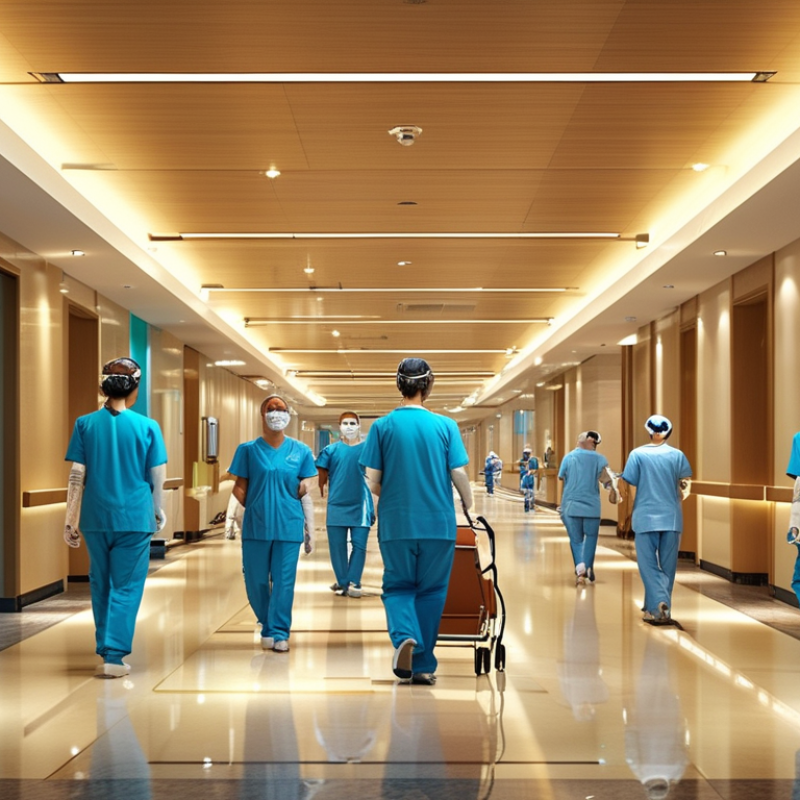
How to Ensure Cleanliness in Rehabilitation Centers Effectively?

Importance of Cleanliness in Rehabilitation Centers: A Statistical Overview

Cleanliness in rehabilitation centers is crucial. Research indicates that a clean environment can enhance recovery rates by up to 30%. Patients’ mental states improve in hygienic settings. They feel safer and more comfortable. This has immediate effects on their willingness to engage in treatment. Effective cleanliness measures foster trust and cooperation.

Implementing regular cleaning schedules is essential. Staff should be trained in proper sanitation techniques. High-touch surfaces must be disinfected frequently. Using EPA-approved cleaning agents is a key strategy. Also, ensure that air quality is monitored. Poor air quality can hinder recovery. Studies show that patients with respiratory issues experience 15% slower recovery in unclean environments.

Tips for maintaining cleanliness include:

  • Encourage staff to report any cleanliness issues immediately.
  • Provide adequate supplies for both staff and patients.
  • Regular audits can help identify areas needing attention.
  • Consider involving patients in maintaining their own spaces. A sense of ownership can boost morale.
Creating a culture of cleanliness is not just beneficial; it is vital for the holistic recovery process.

Common Pathogens and Their Impact on Patient Health in Rehab Facilities

Rehabilitation centers are essential for restoring patients' health. However, they also face significant challenges due to common pathogens. According to the Centers for Disease Control and Prevention (CDC), healthcare-associated infections (HAIs) affect 1 in 31 hospital patients. In rehab facilities, the risk escalates with shared equipment and close interactions among patients.

Inadequate hygiene can lead to the spread of respiratory viruses, MRSA, and C. diff, which may compromise vulnerable patients. For instance, studies indicate that C. diff infections have increased by over 200% in recent years. These pathogens can prolong stays and increase recovery costs. Regular cleaning protocols and monitoring systems are crucial yet often overlooked. Staff may underestimate the time needed for effective disinfection.

Many centers lack sufficient training on infection control procedures. A national survey found that 60% of staff members reported inadequate training on pathogen management. This gap in knowledge can lead to easily preventable outbreaks. Regular assessments and updates to hygiene protocols are necessary to protect patients and maintain a safe environment. Ignoring these factors may negatively impact patient outcomes, leading to longer recovery times and increased health risks.

How to Ensure Cleanliness in Rehabilitation Centers Effectively? - Common Pathogens and Their Impact on Patient Health in Rehab Facilities

Pathogen Common Sources Impact on Patient Health Prevention Measures
Staphylococcus aureus Skin, surfaces, equipment Infections, wound complications Regular disinfection, staff training
Clostridium difficile Contaminated surfaces, antibiotic use Diarrhea, severe intestinal conditions Strict hygiene practices, isolation policies
Norovirus Food, water, surfaces Gastroenteritis, dehydration Hand hygiene, surface cleaning
Pseudomonas aeruginosa Water sources, soil Respiratory infections, sepsis Water quality control, surface sterilization
Candida auris Infected patients, surfaces Invasive infections, high mortality Surveillance, environmental cleaning

Best Practices for Infection Prevention and Control in Rehabilitation Settings

Maintaining cleanliness in rehabilitation centers is critical for infection prevention and control. Research shows that healthcare-associated infections (HAIs) account for about 1.7 million infections annually in the U.S., emphasizing the need for stringent hygiene practices.

Regular cleaning protocols should be in place. High-touch surfaces, such as doorknobs and bedrails, require frequent disinfection. An observational study found that proper cleaning of these areas reduced infections by up to 50%. Training staff on effective cleaning techniques is essential but often overlooked. Many staff members do not fully understand cleaning products and their applications, leading to less effective results.

Also, monitoring compliance with infection control measures is crucial. A study showed that lack of compliance can lead to a 30% increase in infection rates. Utilizing tools like checklists can help ensure that all areas receive attention. It’s not just about having protocols in place but also about following them consistently. In many centers, adherence to these measures is still a work in progress. Addressing these gaps can significantly enhance the overall safety and hygiene of rehabilitation environments.

Training Staff on Cleanliness Protocols: Strategies and Effectiveness

Training staff on cleanliness protocols is a critical step in rehabilitation centers. Effective training ensures that everyone understands the importance of hygiene. Staff should be well-versed in proper cleaning techniques. Regular workshops can enhance skills and build a culture of cleanliness.

Hands-on training sessions can be very effective. They allow staff to practice real-life scenarios. Using visual aids also helps in retention. However, it’s not just about the initial training. Ongoing education is essential for keeping protocols fresh and relevant.

Feedback sessions can reveal gaps in knowledge. These discussions can lead to improvements. Encouraging staff to share their experiences fosters a team approach. Regular audits of cleanliness can also provide insights. This collaborative environment promotes continuous learning and accountability.

Implementing Regular Audits and Inspections to Ensure Hygienic Standards

Maintaining high hygiene standards in rehabilitation centers is crucial. Regular audits and inspections serve as effective tools to uphold these standards. A study by the Centers for Disease Control and Prevention (CDC) indicates that approximately 1 in 31 hospital patients has at least one healthcare-associated infection. This alarming statistic underscores the need for routine evaluations in rehab facilities.

Audits should be systematic and consistent. Implementing a checklist during inspections helps staff identify areas needing improvement. For instance, focusing on shared spaces such as restrooms and therapy rooms can reveal potential hygiene breaches. The World Health Organization suggests that proper cleaning procedures can reduce infection rates by up to 80%. Yet, many centers struggle with compliance due to staffing issues or lack of training.

Training staff on hygiene protocols is equally important. Engaging staff in hygiene practices ensures a culture of cleanliness. Regular workshops and assessments can bridge the knowledge gap. However, adherence to protocols may wane over time. Continuous monitoring and culture building are necessary for sustainable practices. The reality is that complacency can creep in, and vigilance is key to keeping infection risks low.

FAQS

: What are common pathogens in rehab facilities?

: Common pathogens include respiratory viruses, MRSA, and C. diff. They pose significant risks to patients.

How do pathogens affect patient health?

Pathogens can lead to healthcare-associated infections, extending recovery times and increasing treatment costs.

Why is hygiene important in rehabilitation centers?

Inadequate hygiene can quickly spread infections among vulnerable patients who share equipment and spaces.

What training do staff receive on hygiene protocols?

Many staff receive inadequate training, which can lead to easily preventable outbreaks in rehab facilities.

How often should audits be conducted to ensure cleanliness?

Routine audits and inspections should be systematic and consistent to identify hygiene breaches effectively.

What role do hands-on training sessions play?

Hands-on training allows staff to practice real-life scenarios, enhancing their understanding and retention of protocols.

How can feedback sessions improve hygiene standards?

Feedback sessions reveal knowledge gaps and foster a culture of continuous improvement among staff.

What is the impact of ineffective disinfection practices?

Poor disinfection can negatively affect patient outcomes, increasing health risks and prolonging recovery times.

Why might staff adherence to hygiene protocols decline?

Complacency can creep in over time, making continuous monitoring essential to maintain high hygiene standards.

What strategies help maintain a culture of cleanliness?

Regular workshops, audits, and encouraging staff to share experiences promote ongoing education and accountability.

Conclusion

Ensuring cleanliness in rehabilitation centers is crucial for safeguarding patient health and promoting recovery. This article emphasizes the importance of maintaining high hygiene standards through a statistical overview illustrating the correlation between cleanliness and infection rates. Common pathogens prevalent in rehab facilities can significantly impact patient health, necessitating diligent infection prevention and control measures.

To effectively maintain cleanliness in rehabilitation centers, best practices such as implementing rigorous cleaning protocols and providing staff training on proper hygiene techniques are essential. Regular audits and inspections further reinforce hygienic standards, ensuring that facilities remain safe environments for healing. By focusing on these strategies, rehabilitation centers can create a cleaner, healthier atmosphere conducive to patient wellbeing.

Sienna

Sienna

Sienna is a skilled marketing professional with a deep expertise in our company’s core products and services. With a passion for innovation and detail, she plays a pivotal role in crafting insightful blog posts that not only highlight the unique features of our offerings but also provide valuable......