Premium medical consumables and equipment optimized for clinical environments and professional patient care services.
Understanding the critical regulatory pathways, standards, and safety verification protocols for medical-grade disposable gloves.
In modern clinical environments, a medical glove is not merely a physical barrier; it is a critical component of infection control systems. The CE Certification (Conformité Européenne) represents the definitive benchmark for safety, biocompatibility, and physical resilience. Under the European Union Medical Device Regulation (MDR) 2017/745, medical examination and surgical gloves must adhere to highly rigorous conformity assessment procedures. For global procurement officers, hospitals, and pharmaceutical partners, verifying a manufacturer's CE credentials is paramount to ensuring patient protection and mitigating liability risks.
The standard EN 455 outlines the specific requirements for medical-grade disposable gloves used in healthcare applications:
Additionally, for gloves designed for dual-hazard protection (clinical pathogens and toxic chemicals), compliance with PPE Regulation (EU) 2016/425 (Category III) and EN ISO 374 (Chemical Protection) is required. This dual registration guarantees that operators handling cytotoxic chemotherapy drugs, sterilization chemicals, and heavy industrial compounds are fully insulated from systemic absorption risks.
How automation, geographical shifts, and materials science shape the international market of medical protective barriers.
Nitrile butadiene rubber continues to dominate procurement preferences. Exhibiting superior puncture resistance, broad chemical tolerance, and zero allergenic proteins, it has largely replaced natural latex in European and North American hospitals.
While Southeast Asia retains strong natural rubber raw material access, Chinese manufacturing hubs like Ningbo have integrated massive automation pipelines, advanced energy-recovery systems, and strict QA protocols, driving global supply diversification.
Under the EU Green Deal, buyers increasingly evaluate product life cycles. Biodegradable nitrile formulations, reduction in chlorinated wastewater processing, and plastic-free packaging options are moving from niche products to baseline procurement specifications.
How Ningbo Seaoriva Medical Co., Ltd. builds international trust through strict manufacturing standards and end-to-end medical supply.
Ningbo Seaoriva Medical Co., Ltd. is a leading China-based manufacturer of high-quality medical consumables and rehabilitation products, specializing in general disposable medical products, pharmacy products, and rehabilitation & incontinence care solutions. With years of dedicated experience in the healthcare industry, Seaoriva Medical has established a reputation for delivering safe, reliable, and innovative medical solutions to hospitals, clinics, pharmacies, and home care providers worldwide.
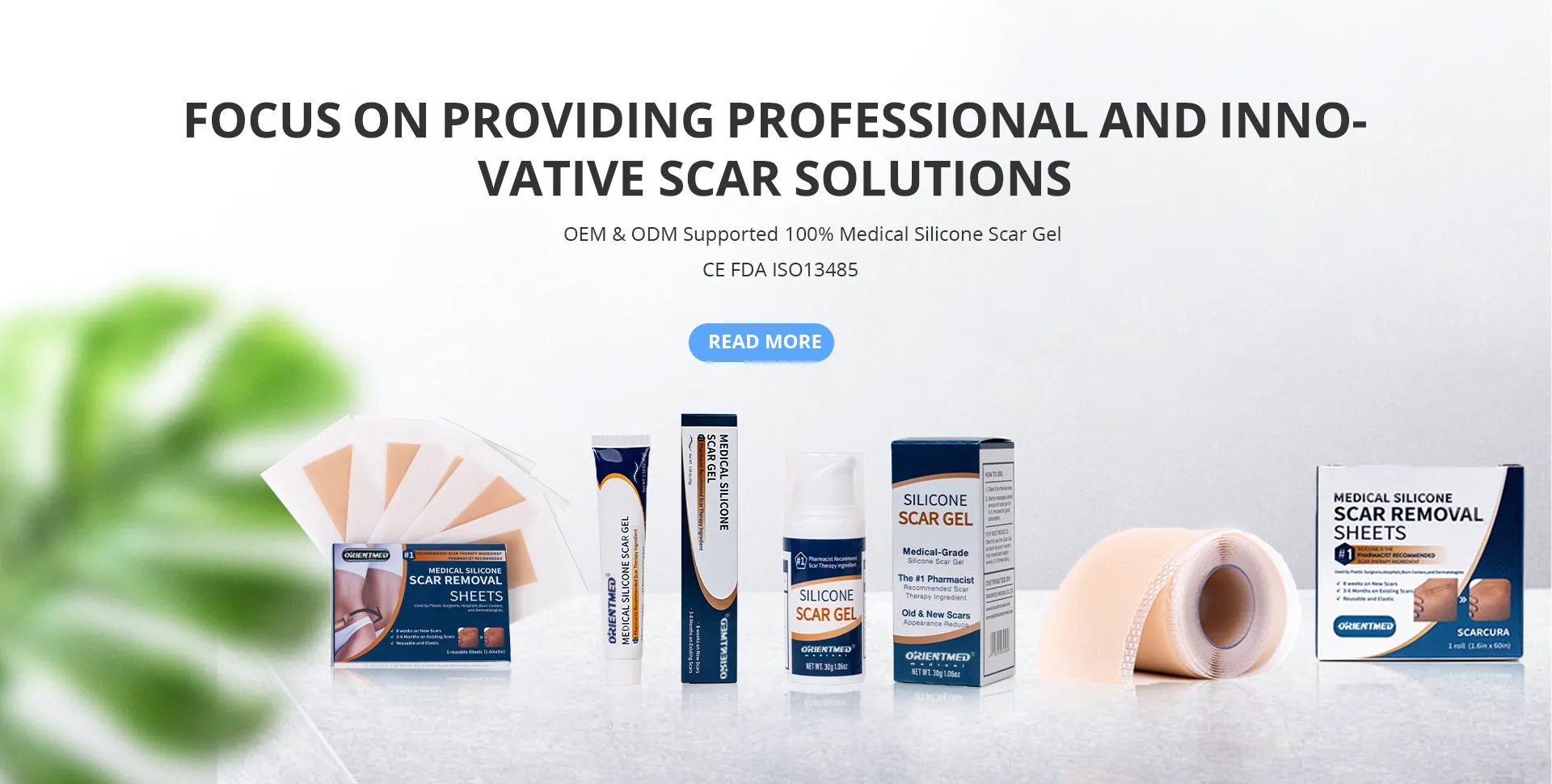
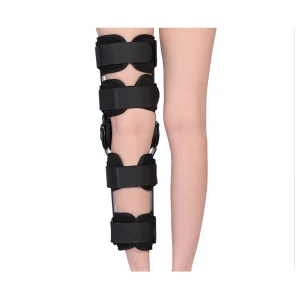
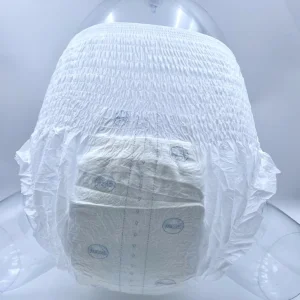
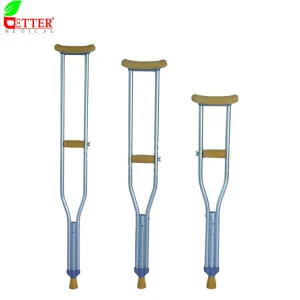
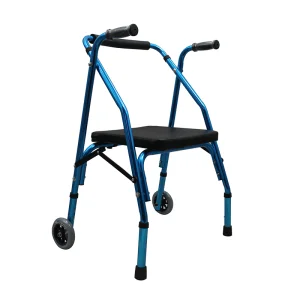
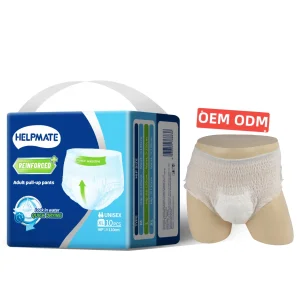
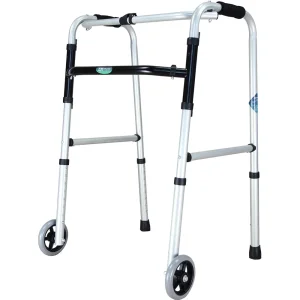
The company offers a comprehensive product portfolio, including adult and pediatric diapers, bed pads and underpads, disposable wipes, medical gloves, face masks, hand sanitizers, syringes, bandages, orthopedic braces, wheelchairs, walkers, and rehabilitation exercise equipment. Every product is manufactured under strict quality control standards, ensuring patient safety, comfort, and hygiene.
Seaoriva Medical emphasizes research, development, and precision manufacturing, leveraging modern production technologies and a rigorous quality management system to maintain consistent product excellence. The company also provides customized solutions tailored to the specific needs of hospitals, pharmacies, and home care facilities, supporting efficient workflow and improved patient outcomes.
Guided by the principles of "quality first, innovation-driven, and customer-focused," Ningbo Seaoriva Medical Co., Ltd. has earned an excellent reputation both domestically and internationally. With a professional R&D team, modern production facilities, and dedicated after-sales support, the company continues to advance the medical consumables and rehabilitation industry, delivering safe, effective, and high-quality healthcare solutions that enhance patient care and support global healthcare innovation.
Exploring the chemical formulation, surface treatments, and green innovations shaping next-generation medical gloves.
Nitrile gloves are synthesized from Butadiene and Acrylonitrile copolymers. The ratio of these two monomers determines the properties of the final product: higher acrylonitrile content yields superior resistance to chemicals, petroleum distillates, and solvents, while butadiene imparts elasticity and mechanical tear resistance. Contemporary manufacturing utilizes metal-oxide cross-linking agents (typically zinc oxide) to bind the polymer chains, optimizing tensile strength (MPa metrics) without generating standard latex allergenic profiles.
In modern hospitals, quick and effortless donning of gloves is critical. In the past, talcum or cornstarch powder was applied, but this practice is now restricted due to tissue irritation and aerosolized latex allergen transmission. Today's manufacturing relies on **online chlorination** (exposing the glove surface to chlorine gas dissolved in water, converting the tacky surface into a smooth, slippery micro-layer) and **polymer coatings** (such as polyurethane, acrylic, or silicone emulsions) to facilitate damp-hand donning during emergencies.
The roadmap for medical glove production facilities centers on three key innovation areas:
Specific protective configurations tailored for varying high-risk environments and specialized industrial sectors.
These environments require standard medical examination gloves certified under EN 455 and ASTM D6319. High sensitivity and reliable barrier protection against bloodborne pathogens (such as HIV, Hepatitis B, and Coronavirus variants) are crucial.
Handling cytotoxic agents demands specialized protection. Gloves must be tested under ASTM D6978 (Standard Practice for Assessment of Resistance of Medical Gloves to Permeation by Chemotherapy Drugs), which lists specific breakthrough times for compounds like fluorouracil and cyclophosphamide.
Microelectronics fabrication, semiconductor assembly, and biotechnology laboratories require gloves with low ionic contamination, particulate levels, and non-volatile residues. These gloves are manufactured in certified cleanroom facilities, post-dipping washed in deionized water, and vacuum double-packaged.
Optimizing procurement cycles, cold-chain transport, sterilization, and warehousing for global buyers.
For large-scale purchasing organizations, securing medical-grade consumables involves optimizing both product quality and supply chain logistics. To maintain stable supplies during market fluctuations, modern healthcare facilities deploy diversified procurement frameworks, combining long-term OEM contracts with flexible local distributions.
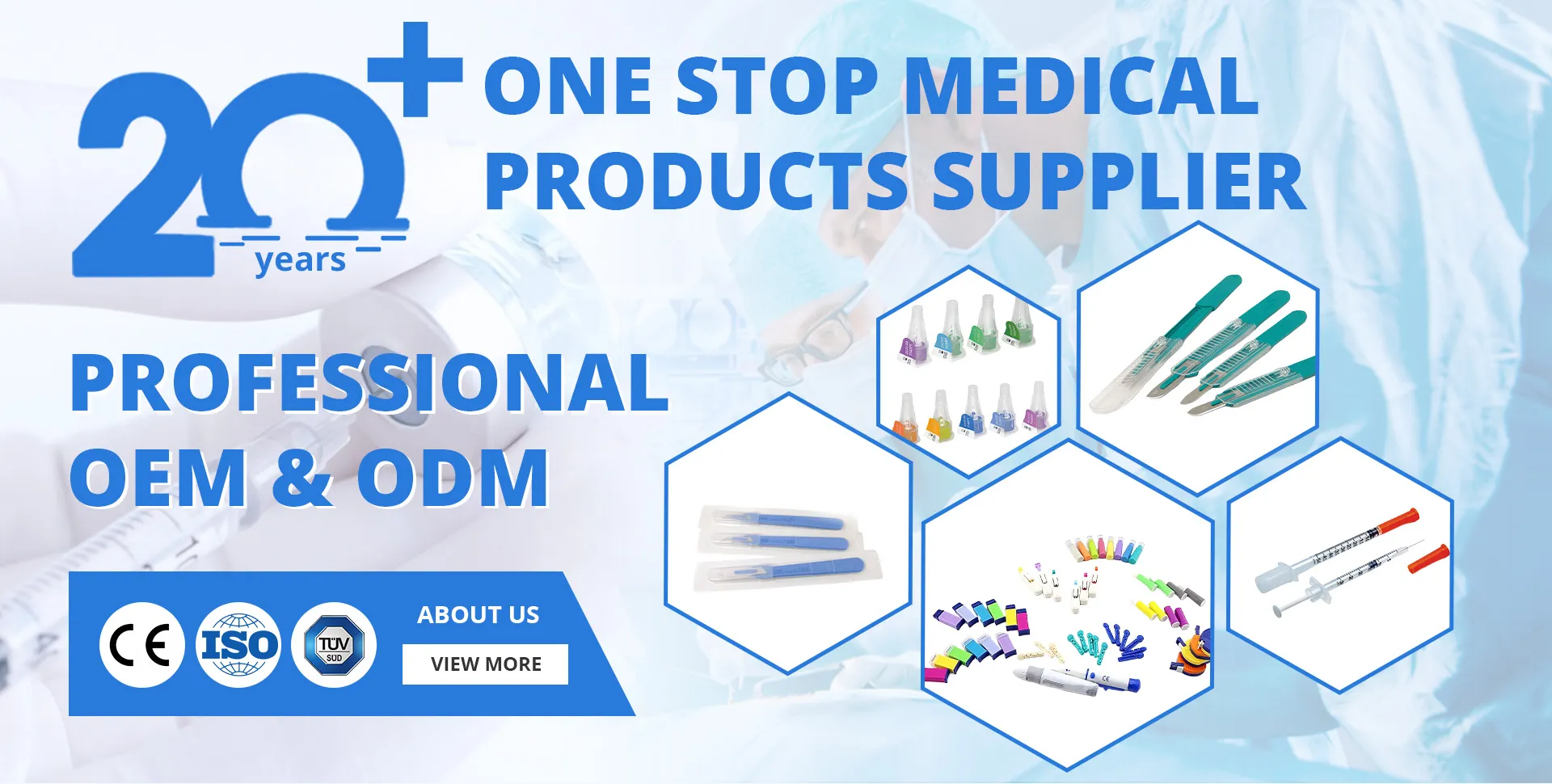
Strategic logistics planning helps address common supply challenges:
Quick reference guide detailing regulatory standards, compound comparisons, and customization options.
Acceptable Quality Limit (AQL) represents the maximum percentage of defective units allowed in a manufacturing batch. AQL 1.5 is the standard threshold for medical examination gloves. AQL 1.0 or 0.65 represents a much stricter quality threshold, typically required for surgical gloves to minimize risk during long or high-risk operations.
To verify a CE Certificate, search the Notified Body's identification number through the European Commission's NANDO database. You can also verify the manufacturer's Single Registration Number (SRN) and the device's Basic UDI-DI within EUDAMED (European Databank on Medical Devices) to ensure registration is active and compliant.
Standard vulcanization accelerators (like thiurams and carbamates) can trigger Type IV chemical contact allergies over time. Accelerator-free gloves use alternative cross-linking technologies that eliminate these specific chemical compounds, helping to protect healthcare workers from chronic dermatitis.
Customization options include specific thickness levels (e.g., 3.2mil, 4.0mil, 5.0mil, 6.0mil), custom surface textures (fully textured, fingertip textured, or diamond patterns), specialized colors (blue, violet, black, orange), custom packaging options (100, 200, or 250 pieces per box), and private-label brand printing.
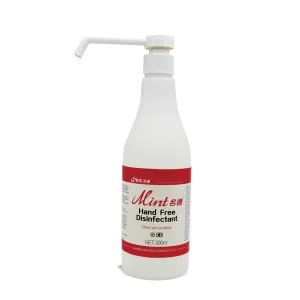
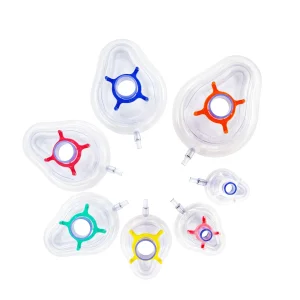
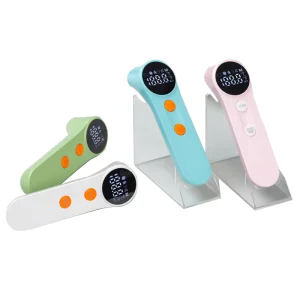
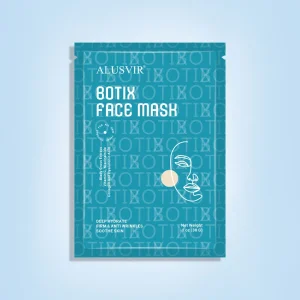
Browse our integrated manufacturing categories spanning airway management, diagnostic devices, orthopedic supports, and daily care consumables.
 Seaoriva Medical