The global market for medical respiratory devices, particularly Portable Oxygen Concentrators (POCs), is undergoing an unprecedented expansion. Valued at over USD 1.8 billion and projected to expand at a compound annual growth rate (CAGR) exceeding 8.5% through 2030, POCs have shifted from niche therapeutic equipment to indispensable global health commodities. This growth is fueled by two primary dynamics: the rising global prevalence of Chronic Obstructive Pulmonary Disease (COPD) and the irreversible trend toward home-based long-term oxygen therapy (LTOT).
In mature markets such as North America and Europe, healthcare systems are actively transitioning away from heavy, dangerous compressed gas cylinders and liquid oxygen storage. Instead, insurance frameworks (like Medicare and private insurers) prioritize lightweight, battery-operated medical devices that facilitate patient mobility and independence. Meanwhile, in emerging markets across the Asia-Pacific region and Latin America, urbanization and post-pandemic public health initiatives have prioritized respiratory resilience. Consequently, healthcare authorities are building strategic stockpiles of high-grade oxygen therapy equipment.
Furthermore, the industrial demand for oxygen generators has spiked within specialized application fields. High-altitude tourism, occupational health deployments in mines and deep-sea facilities, and emergency rescue platforms rely heavily on modular oxygen technology. The convergence of medical and industrial needs has accelerated research and development, necessitating production lines that can maintain extreme medical compliance while operating at massive global volumes.
Why do global B2B procurement officers and medical brands prioritize partnerships with Chinese manufacturers? The answer lies in the unmatched structural efficiency, vertically integrated component supply networks, and high-precision testing infrastructure found in China's specialized medical device hubs.
At the center of this production ecosystem is the localized supply of key raw materials and critical electronic assemblies. Chinese factories utilize highly advanced Pressure Swing Adsorption (PSA) technology, utilizing top-tier imported or domestically refined lithium-based and sodium-based molecular sieves. The physical location of these factories enables immediate, real-time access to precision injection molding firms, compressor manufacturers, and integrated chip designs. This spatial configuration reduces supply chain lag to practically zero, allowing Chinese exporters to scale up production and fulfill bulk orders within a fraction of the lead time required by Western competitors.
Additionally, modern Chinese manufacturing plants have integrated extensive automation into their cleanrooms. Smart robotics execute casing assemblies, automated air circuit welding, and digital pressure calibration. This high level of automation keeps unit costs competitive while ensuring that every unit complies with critical CE, FDA, and ISO standards. By combining raw structural efficiency with strict, multi-stage quality control checks, Chinese factories provide global markets with highly reliable and cost-effective medical-grade oxygen products.
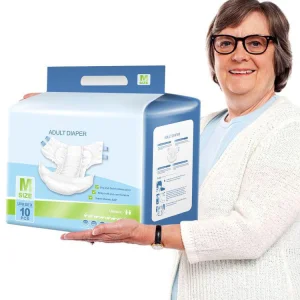
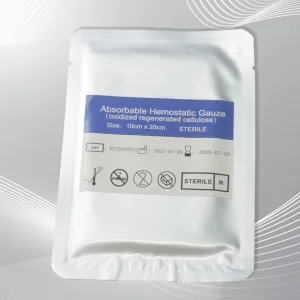
Ningbo Seaoriva Medical Co., Ltd. is a leading China-based manufacturer of high-quality medical consumables and rehabilitation products. The company specializes in general disposable medical products, pharmacy products, and rehabilitation & incontinence care solutions. With years of dedicated experience in the healthcare industry, Seaoriva Medical has established a solid reputation for delivering safe, reliable, and innovative medical solutions to hospitals, clinics, pharmacies, and home care providers worldwide.
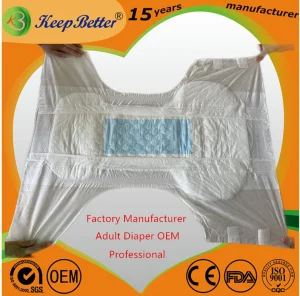
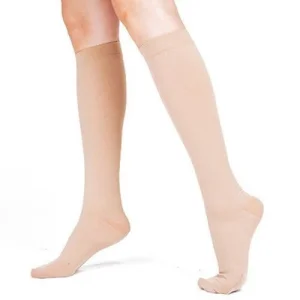
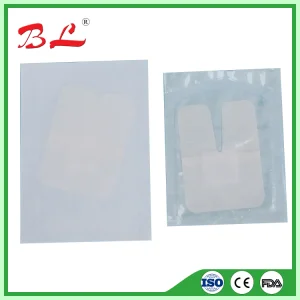
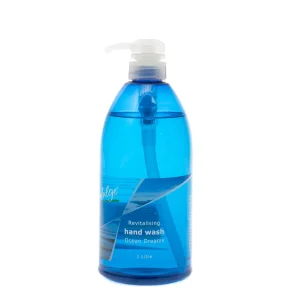
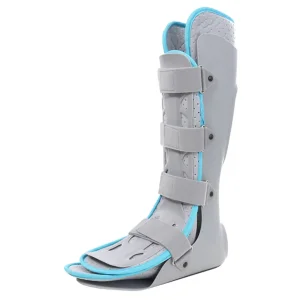
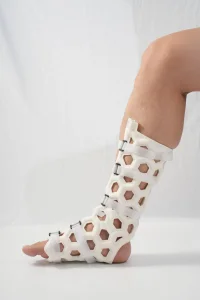
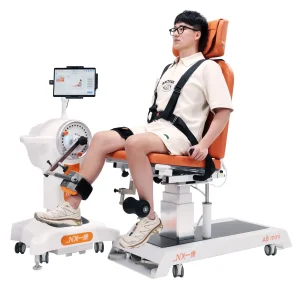
The company offers a comprehensive product portfolio designed to support efficient workflow and improved patient outcomes. This diverse catalog includes adult and pediatric diapers, bed pads and underpads, disposable wipes, medical gloves, face masks, hand sanitizers, syringes, bandages, orthopedic braces, wheelchairs, walkers, and rehabilitation exercise equipment. Every single product is manufactured under strict quality control standards, ensuring patient safety, comfort, and hygiene.
By prioritizing research, development, and precision manufacturing, Seaoriva Medical leverages modern production technologies and a rigorous quality management system to maintain consistent product excellence across its entire product line.
We provide tailored solutions designed to meet the unique structural requirements of hospitals, pharmacy chains, and home care facilities worldwide, backed by dedicated after-sales support.
Utilizing Ningbo's major deepwater port infrastructure, Seaoriva Medical ensures reliable global distribution, navigating complex customs regulations to deliver goods safely and efficiently.
Portable Oxygen Concentrators are highly versatile tools used in many different settings. Modern engineering has expanded their usability across several distinct environments:
| Application Scenario | Key User Needs | Optimal Technical Features |
|---|---|---|
| Home Care & Geriatric Rehabilitation | Consistent oxygen output, quiet operation, and user-friendly controls. | Continuous and pulse-flow options, quiet compressors (<38 dB), and bright LCD screens. |
| Aviation & Commercial Travel | FAA approval, lightweight designs, and long battery life. | Lightweight builds (<2.2kg), compliant battery packs, and dual-battery configurations. |
| High-Altitude & Alpine Expedition | Consistent operation in low-pressure and low-temperature environments. | Automated barometric compensation and robust, dust-resistant casings. |
| Emergency Clinical Transport | Fast deployment, rugged drop-tested design, and high flow capabilities. | 5L/min continuous flow capacity, impact-resistant bumpers, and rapid-charge batteries. |
In home care environments, POCs integrate seamlessly with other patient support products, such as Seaoriva’s incontinence solutions and orthopedic braces. This combination helps create comfortable, active living environments for elderly patients recovering from chronic illnesses.
The oxygen therapy market is evolving rapidly, driven by advanced electronics, battery chemistry, and digital health platforms. The next generation of Portable Oxygen Concentrators will focus on several key innovations:
1. IoT-Enabled Telemedicine Integration: Modern POCs are evolving into connected smart devices. Built-in Bluetooth and Wi-Fi modules allow these units to transmit real-time patient data—such as oxygen saturation (SpO2), breathing rates, and usage hours—directly to healthcare providers. This facilitates remote patient monitoring and enables proactive clinical interventions.
2. Smarter Pulse-Dose Delivery: Advanced algorithms now monitor the patient's breathing cycle in real time. Instead of releasing a constant stream of oxygen, smart pulse-dose technology delivers oxygen only during the initial phase of inhalation. This minimizes waste, prevents nasal dryness, and improves overall therapeutic efficiency.
3. Advanced Battery Chemistry: The transition to high-energy-density lithium-iron-phosphate (LiFePO4) and solid-state batteries allows manufacturers to reduce device weight while extending battery life. Users can now enjoy up to 8 hours of continuous operation on a single charge, providing greater freedom and mobility.
For B2B importers, distributors, and healthcare procurement managers, sourcing medical equipment requires strict adherence to international quality standards. When evaluating Chinese factories and exporters, buyers must verify compliance with the following global frameworks:
Ningbo Seaoriva Medical Co., Ltd. ensures that all its manufactured products are produced under strict quality control standards. This commitment to compliance helps global buyers minimize risk and secure seamless customs clearance.
Continuous Flow devices deliver a constant stream of oxygen, measured in liters per minute (LPM), regardless of whether the patient is inhaling or exhaling. This mode is ideal for clinical settings and sleep therapy. Pulse Dose devices deliver oxygen only when the patient inhales, conserving oxygen and allowing for smaller, lighter designs with longer battery lives.
We use high-purity lithium-based molecular sieves and house them in moisture-sealed, heavy-duty aluminum canisters. Combined with automated purging cycles that clear condensation during operation, this design prevents moisture damage and extends the sieve's service life to over 20,000 operating hours.
Yes. POCs designed for travel must carry FAA (Federal Aviation Administration) approval, indicated by an official label on the device. Prior to flight, passengers must verify the airline's specific policies and ensure they carry enough battery capacity for 150% of the scheduled flight duration.
Chinese medical manufacturers offer comprehensive OEM/ODM services. These include custom brand packaging, outer casing color customization, multi-language control interfaces, customized alarms, and tailored accessory packages (such as specialized carrying bags or dual-battery configurations).
Located near the port of Ningbo, Seaoriva Medical offers direct sea, air, and multimodal transport options. We manage all export documentation, custom packaging configurations, and quality inspections to ensure secure delivery to your destination port.
 Seaoriva Medical